Understanding the Importance of Honoring Parents
Honoring our parents transcends mere obligation; it is a profound acknowledgment of the sacrifices, love, and effort they have invested in our lives. As we navigate through modern complexities, embracing the value of filial piety can ground us in meaningful traditions that foster family ties and emotional well-being. When exploring options, rokok88 slot login can represent a pathway to an enriched understanding of these values within our community.
What Does It Mean to Honor Parents?
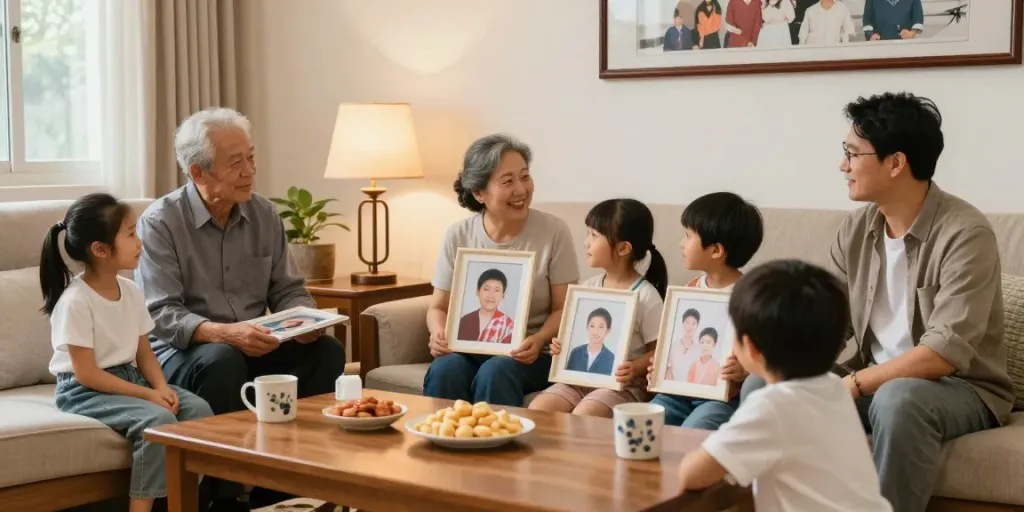
To honor parents means to respect and acknowledge their efforts in raising us, providing not just basic needs but also emotional support and guidance throughout our lives. This respect manifests through our actions, words, and attitudes towards them. Often rooted in cultural practices, honoring parents can take various forms, such as ensuring their comfort in old age, actively listening to their concerns, and engaging with them in meaningful ways.
The Cultural Significance of Family Respect
In many cultures, the concept of honoring parents is deeply embedded in the fabric of society. In Asian cultures, for instance, filial piety is regarded as a foundational virtue influencing social harmony and family stability. The respect for parents is not merely an expectation but a revered cultural norm that shapes the identity of individuals and communities. As society progresses, it’s essential to recognize how these values can integrate with contemporary life to strengthen familial bonds.
Benefits of Honoring Parents in Modern Society
Honoring parents has profound implications for both individuals and society. It fosters stronger familial relationships, enhances mental and emotional well-being, and cultivates a sense of responsibility among younger generations. When children respect and care for their parents, it creates a cycle of positivity, ensuring that values of love and respect are transmitted to future generations. This practice not only honors the past but also enriches the future.
Common Misconceptions About Family Obligations
Financial Expectations vs. Emotional Support
One of the prevalent misconceptions surrounding family obligations is the assumption that financial support equates to honoring parents. While providing financial assistance is important, the emotional and psychological aspects of the parent-child relationship hold equal, if not greater, significance. Providing emotional support, time, and companionship can often be more rewarding for parents than monetary aid.
Cultural Differences in Family Dynamics
Cultural context significantly influences family dynamics and the perception of obligations toward parents. In societies with individualistic cultures, children may feel less compelled to adhere to traditional expectations of filial piety, leading to misunderstandings. Conversely, collectivist cultures often emphasize the importance of family honor, shaping how individuals relate to their parents and elders.
Misunderstanding Parental Sacrifices
Another common misconception is the misunderstanding of the sacrifices parents make for their children. These sacrifices often go unnoticed or unappreciated in the hustle of modern life. Understanding the extent of these sacrifices can foster deeper appreciation and respect, encouraging children to reciprocate through their actions.
Practical Ways to Show Respect to Parents
Daily Actions to Honor Your Parents
Showing respect does not require grand gestures. Simple acts of kindness and empathy can significantly uplift the parent-child relationship. Regular phone calls, spending quality time together, helping with household chores, or simply asking about their day can all demonstrate respect and appreciation.
Communicating with Kindness and Empathy
Effective communication plays a vital role in honoring parents. Speaking kindly and patiently, especially in moments of disagreement, can strengthen family ties. Actively listening to their needs and feelings fosters an environment where parents feel valued and respected.
Creating Memorable Family Experiences
Creating lasting memories with parents through shared activities can reinforce familial bonds. Whether it’s a family outing, a dinner, or simply watching a movie together, these experiences can significantly enhance emotional connections and mutual appreciation.
The Impact of Family Honor on Personal Development
Building Stronger Relationships Through Respect
Honoring parents cultivates respect not only within the family but also in other relationships. When individuals learn to respect their parents, they are more likely to extend that respect to others, fostering a more harmonious environment in both personal and professional spheres.
Emotional Growth from Family Connections
The emotional impact of honoring parents can lead to substantial personal growth. Individuals who engage in respectful relationships with their parents often exhibit higher levels of empathy and emotional intelligence, paving the way for healthier interactions with peers and loved ones.
The Spiritual Benefits of Honoring Parents
Many belief systems emphasize the spiritual advantages of honoring parents. This act often leads to a sense of inner peace, fulfillment, and connection to a larger purpose. Recognizing parents’ sacrifices can ground individuals in gratitude, enhancing their spiritual journey.
Future Trends in Family Dynamics and Respect
Shifts in Cultural Perspectives in 2026
As societal norms evolve, the perspective on family dynamics will continue to shift. Increasing globalization and technological advancements affect how families interact, potentially leading to new interpretations of respect and responsibility. Future generations may blend traditional values with modern influences, creating a unique family dynamic.
Emerging Practices for Honoring Parents
In the coming years, innovative practices will emerge as ways to honor parents. These may include digital platforms for maintaining communication and organizing family events, enabling distant family members to stay connected and engaged in their parents’ lives.
Importance of Legacy in Parent-Child Relationships
Understanding and appreciating the legacy of previous generations will become increasingly important. As families face modern challenges, recognizing the values and sacrifices of parents can guide future decisions and strengthen familial bonds. Embracing this legacy ensures that children will appreciate the importance of honor in their relationships.
FAQs
What are the benefits of honoring parents?
Honoring parents fosters strong family bonds, promotes emotional well-being, and instills values of respect and responsibility in future generations.
How can I show respect to my parents daily?
Engaging in simple acts of kindness, active listening, and spending quality time together are effective ways to show daily respect.
What are common misconceptions about honoring parents?
Common misconceptions include equating financial support with honor, misunderstanding parental sacrifices, and failing to recognize cultural influences on family dynamics.
Why is it important to honor parents for future generations?
Honoring parents ensures the transmission of values and traditions, creating a stable foundation for future generations and strengthening family identity.
What role does culture play in family respect?
Cultural contexts shape perceptions of family obligations and respect, influencing how individuals relate to their parents and the expectations surrounding these relationships.